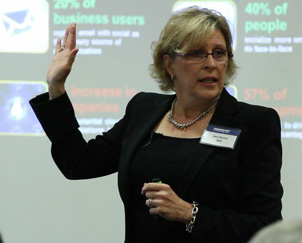
Carrie Vanston speaks on Engagement & Innovation at WorldFuture 2015 – San Francisco, July 25
July 20, 2015
 Come hear Carrie Vanston speak this Saturday at
WorldFuture 2015: Making the Future
on
“Five Keys to the Innovative and Engaged
Culture of the Future”
Schedule
Sponsored by World Future Society
Hilton San Francisco Union Square
San Francisco, California
Saturday, July 25, 4:15-5:00 pm.
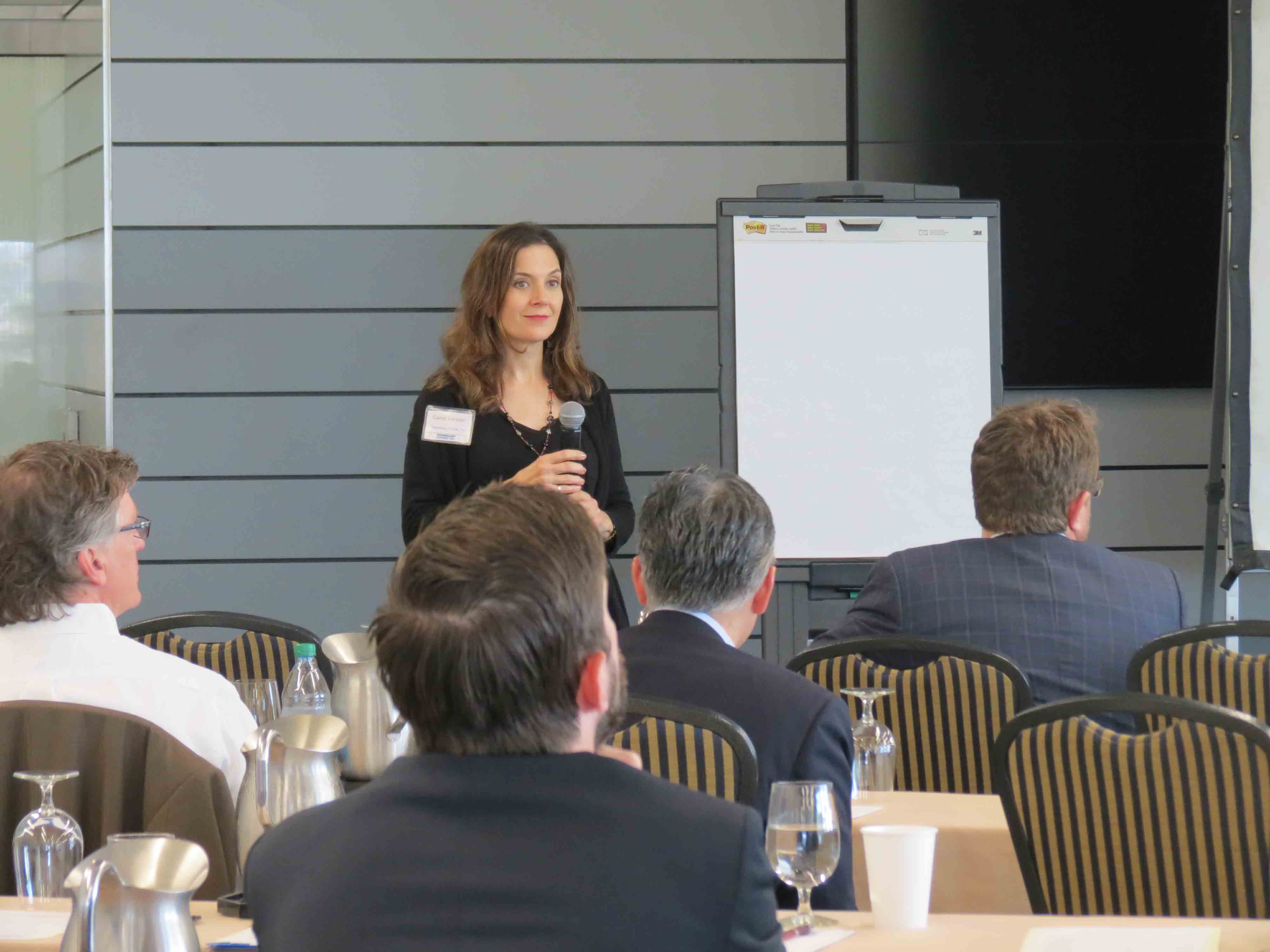
In this presentation, Carrie Vanston, VP Communications at TFI, provides individuals and organizations five key ways to create and grow an engaged and innovative culture that is cutting-edge, with strong purpose and the inclusion of all stakeholders. Such a culture is increasingly important to succeed and thrive in the rapidly changing world of the future.
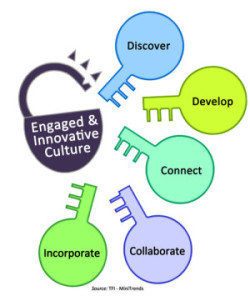
5 Keys to an Engaged and Innovative Culture
Attendees will learn practical ways for staying ahead of the latest industry trends and for creating a caring environment that encourages the highest engagement of an organization’s most important resource – the creativity of its employees and other stakeholders.
Everyone will have an opportunity to share their ideas with each other toward the end of the session.
___
Carrie Vanston, is VP of Communications and Culture Coach at Technology Futures, Inc. and the MiniTrends Project. She excels at helping clients create and grow innovative cultures that stay on the cutting edge of industry trends with maximum engagement by all stakeholders.
She is co-author of the award-winning book MINITRENDS: How Innovators & Entrepreneurs Discover & Profit From Business & Technology Trends. Recent articles by Carrie have appeared in Texas CEO Magazine and the Austin Business Journal.
___
To learn more and register, please visit WorldFuture 2015: Making the Future
Hope to see you there!
MiniTrends 2014: Thank You, Slides & More
October 29, 2014
Thank you to everyone who had a part in making MiniTrends 2014: Insight, Innovation & Strategy such a huge success! The speakers were fantastic, the synergy between attendees exciting, and the overall response great. Now let’s build on the connections we made and all we learned!
We want to give special thanks to our Keynotes David Pearce Snyder, Brett Hurt, and Dr. John Vanston. They brought to life our theme of the importance of foresight and culture for the success of organizations. Ditto to Dr. Jani Byrne, Joyce Gioia, and our distinguished panel.
 We also greatly appreciate our wonderful Sponsors and Partners, as well as our Planning Committee and Advisory Board for their integral role in making this such a valuable and fun event.
Conference slides are up! We will post conference pictures of the sessions, meals, and reception on our MiniTrends Facebook soon. We are also preparing a video of the proceedings for purchase.
Thank you to those attendees who turned in an Evaluation Sheet. If you didn’t, please fill it our now by clicking here. We take your comments very seriously for future planning.
 Join our LinkedIn MiniTrends Group and/or guest blog on our MiniTrends Blog to share thoughts about the conference and your own minitrends, experiences, and resources. Twitter is @MiniTrendsBook, #minitrends.
We welcome feedback on the book MINITRENDS: How Innovators & Entrepreneurs Discover & Profit From Business & Technology Trends that attendees received at the conference. (A quick read of the Preface (Page xxi) and Chapter 10 (Pg 185-186) gives a good overall theme of the book.) MINITRENDS also available on Amazon.

Please keep us in the loop on your activities and how you are applying methods and ideas you picked up at the conference and in the book. We use examples in our talks, blogs, and/or they may be speaking subjects for you next year.
Also please let us know if we might bring a MiniTrends Mindset to your organization through a presentation, workshop, and/or other in-house services. We want to know the direction you are heading and how we and the MiniTrends Community can help you get to where you want to be. We look forward to continuing the conversation.
TFI Communications Technology Asset Valuation Conference – Jan. 28-29, 2015 – Austin, TX
October 22, 2014
The preliminary schedule for MiniTrends’ parent company’s 10th Annual TFI Communications Technology Asset Valuation Conference is now posted! The conference is Wednesday-Thursday, January 28-29, 2015, at the Radisson Hotel in Austin, Texas. The Pre-Conference Seminar: TFI Technology Forecasting for Valuation is on Tuesday, January 27.
The conference is geared to tax, depreciation, and valuation professionals, but should be attended by anyone with a strong policy or business interest in future of the communications network. The program includes featured outside speakers specializing in technology areas, TFI speakers reviewing their latest forecasts, and people from the consulting, industry and appraisal community sharing their knowledge in presentations and on panels.
Distinguished Keynotes are:
 Dub Dublin
IoT Pioneer, Serial CTO and Entrepreneur
“The Internet of Things: Overview & Outlook “
 Iain Gillott
President and Founder, iGR (iGillottResearch, Inc.)
“Small Cells and Het-Nets, The Wave of the Future”
 August (Augie) Grant
Professor, School of Journalism and Mass Communications, University of South Carolina; Co-Editor, Communications Technology Update & Fundamentals
“Future of Television and Video”

Start 2015 with the latest knowledge and insights on the
key forces impacting communications assets!


=====================
Further information: Please see links above or contact Helen Mary Marek at (512) 258-8898(512) 258-8898 or info@tfi.com.

IBM’s Dr. Jani Byrne joins MiniTrends 2014 (Sept 26) – Special $150 rate ends Noon Monday Sept 22
September 19, 2014
Dr. Jani Byrne
Director of Marketing, Cloud, IBM
We are delighted that Dr. Jani Byrne, Director of Marketing, Cloud, at IBM has joined the program for our 3rd annual MiniTrends 2014: Insight, Innovation & Strategy. Jani will be sharing her experiences as corporate innovator in her talk “Musings of a Wild Duck in a Big Pond.”
Jani is responsible for Content Marketing globally for Cloud, one of IBMs leading strategic initiatives, creating and distributing consumable, relevant content to drive client acquisition and purchase. Previously she served as IBM’s Director, Marketing Strategy for Global Mid-Markets MSPs and Director, Strategy.
Jani is on the Boards of The Seton Fund at the Seton Family of Hospitals’ and Austin Chamber of Commerce Technology Partnership.
Register Now for special price for full conference of only $150 until noon, Monday, September 22.
Our Keynotes are Austin Tech Leader and Bazaarvoice Founder Brett Hurt, top D.C. Futurist David Pearce Snyder, and award-winning author Dr. John Vanston. Also headlining is USA TODAY’s Road Warrior of the Year Joyce Gioia.

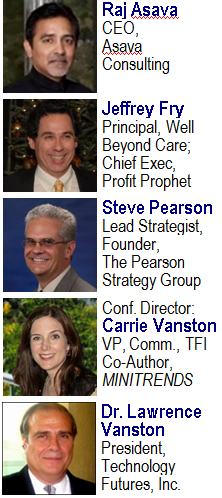 We have an excellent applications panel on how to turbo-charge your success and profit by combining MiniTrends methods with your innovation strategy. Panelists include Raj Asava, Jeffrey Fry, Steve Pearson, Carrie Vanston, and Larry Vanston.
The breadth and depth of the speaking talent and schedule for this awesome event it exceptional. In addition we have incredible attendees who are thought-leaders in their own right. (See what our past attendees say.) We hope you, too, will be part of the this year’s amazing event.
MiniTrends 2014: Insight, Innovation & Strategy.
Friday, September 26, 2014
8:30 am – 5:30 pm followed by “Power Hour” Reception
Holiday Inn Lady Bird Lake, Austin, TX
Full Conference for Only $150
(Special ends Noon, Monday, Sept. 22)
All attendees receive Continental Breakfast, Breaks,
and Lunch followed by a Networking Reception!
Please share offer with your friends, colleagues & networks.
2 Weeks Until MiniTrends 2014: Insight, Innovation & Strategy – Sign Up Now at Special Rate
September 12, 2014
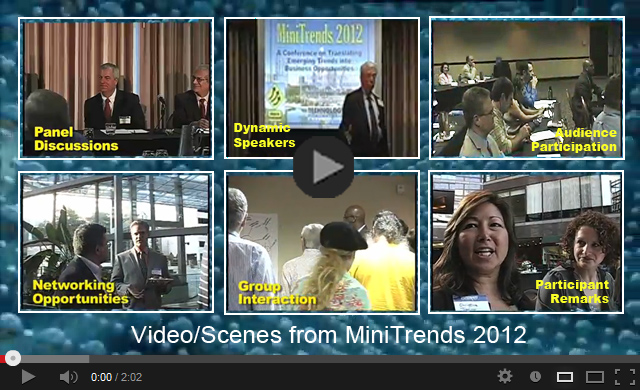
See what all the excitement is about! MiniTrends 2014, September 26, Austin, TX
Why attend MiniTrends 2014: Insight, Innovation & Strategy on Friday, September 26, in Austin, Texas? Because it’s all about how YOU can…
1) Do More with Less.
2) Work Smarter, Not Harder.
3) Game the System.
4) Become that Rock Star!
How, you ask? Becoming adept at discerning MiniTrends will first give you insights into innovation. This ability to understand people’s wants and needs, and the underlying causes of change will allow you to see how to achieve a high return on effort, essentially letting you see a path of doing more with less, and in turn working smarter not harder.
With these new insights on possible innovations, you can begin to act on and process these new ideas in the development of new products or methodologies, thus allowing you to get a competitive advantage or as VCs like to say, “game the system.”
Finally, combining these new, undiscovered insights with derived innovations, you can increase your acumen in making or carrying out plans of action to achieve your new strategic goals. In other words, by attending MiniTrends you can become that “Rock Star” everyone talks about!
From the development of the printing press, to the photocopier, to the PC, to the Internet, and the cell phone, each one of the these now “common” inventions began when one individual was able to see an emerging trend way before the rest of crowd.
If you ever wonder how they were able to see that far into the future, you first need to have the ability to recognize what you are looking at. This conference will start you on your way to doing so.
MiniTrends 2014: Insight, Innovation & Strategy
Friday, September 26, 2014
Holiday Inn Lady Bird Lake, Austin, TXA limited number of MiniTrends Community spots are available for $150 for this all-day premier event with code Special150-2014 (until Sun Sept 21). Student rate also available.

A Special Price + 9 More Reasons You Should Be at MiniTrends 2014
September 5, 2014
MiniTrends 2014: Insight, Innovation & Strategy is coming to you on
Friday, September 26, in Austin, Texas.
MiniTrends Community Special: 20% Off Discount
10 Reasons You Should Attend MiniTrends 2014: Insight, Innovation & Strategy
1. Insights for Innovation
Insight: the ability to understand people and situations in a very clear way.
Becoming adept at discerning MiniTrends will first give you insights into innovation. This ability to understand people’s wants and needs, and the underlying causes of change will allow you to see how to achieve a high return on effort, essentially letting you see a path of doing more with less and in turn working smarter not harder.
- Examine the predictable forces that are reshaping our business and technology environment.
- Learn 20 knowable future trends that you must be prepared for.
- Understand how the MiniTrends Concept can be key for continuing success.
- Use this foundational foresight to build an innovation thought-process and strategy throughout the conference day.
2. Innovation Skills
Innovation: the act or process of introducing new ideas, devices, or methods.
With these new insights on possible innovations, you can begin to act on and process these new ideas in the development of new products or methodologies, thus allowing you to get an unfair competitive advantage or as VCs like to say, “game the system.”
- Discover seven approaches for identifying minitrends.
- Learn eight resources to find where minitrends hide.
- Appreciate the vital role of leadership in promoting an innovation culture where employee creativity becomes the innovative “heart” of the organization.
- See how appreciating all stakeholders, not just stockholders, is the “secret sauce” of success.
- Find and share minitrends of your own with fellow attendees.
3. Innovation Strategy
 Strategy: the skill of making or carrying out plans to achieve a goal.
Finally, by combining these new, undiscovered insights with derived innovations, you can increase your acumen in making or carrying out plans of action to achieve your new strategic goals. In other words, by attending MiniTrends 2014 you can become that “Rock Star” everyone talks about!
- Accelerate your innovation and process development.
- Find the exogenous drivers and constraints that can help with decision making.
- Leverage minitrends in market strategy development.
- Use minitrends in making a market for a new product or service.
- Benefit from personal interaction with conference speakers during special session.
- Bring back ideas and strategies for you and your team.
4. Direct Interaction with Speakers and Expert Panelists

 All-star visionaries and thought-leaders will give you the insight and tools you need to stay ahead of the curve and remain innovative in a rapidly changing business environment.Speak directly with the speakers about your own personal interests and ideas during a scheduled session just for this purpose.

5. Individual and Small Group Hands-On Exercises
Individual and group activities at MiniTrends 2014 will help you generate ideas, consider their potential as minitrends, develop partnerships, and leave with actionable plans.
6. Great Networking Opportunities
 Meet, mingle, network, and share ideas with marketers, analysts, development managers, strategists, research managers, and others during continental breakfast, breakout groups, breaks, discussions, provided lunch, and the MiniTrends 2014 “power-hour” reception overlooking beautiful Lady Bird Lake.
See what all the excitement is about! Watch the video or visit our testimonial page and find out what our past MiniTrends Conference say!!
7. FREE copy of Award-Winning MINITRENDS book
—Your Own MiniTrends Resource
As a special value add, you will receive your very own description of the MiniTrends Concept to take home—the award-winning book MINITRENDS: How Entrepreneurs & Innovators Discover & Profit From Business & Technology Trends by Dr. John Vanston and Carrie Vanston.
A $19.95 value!
8. Meet our Sponsors and Partners
We appreciate our Sponsors and Partners who share our vision of helping business leaders thrive by combining foresight with a creative culture honoring all stakeholders.
9. Enjoy Tech-Friendly and Beautiful Austin, Texas!
Austin is a thriving, cosmopolitan city and one of the leading high-tech hubs in the U.S. With more than 120,000 people employed by more than 4,400 technology firms, we have the techies, the entrepreneurs, the innovators, the investors, and so much more. And we’re the Live Music Capital of the World! What better place for a cutting-edge innovation conference?
Our MiniTrends 2014 meeting and reception overlooks beautiful Lady Bird Lake. The Holiday Inn Austin Lady Bird Lake (800-593-5676) is in a wonderful location to experience Austin’s major attractions. The hotel has direct access to the lake’s hike & bike trails and is a mile from Austin’s famous 6th Street entertainment district.
10. Special 20% Off Discount for Our MiniTrends Community!
Discount Code: Special20-2013 brings the regular price to $292 or Small business/Government/Academia to $208. Students still can come for $65. (Please register as soon as possible so we can have accurate catering numbers for the hotel!)
Join us at MiniTrends 2014: Insights, Innovation & Strategy on Friday, September 26, 2014, 8:30 am–5:30 pm, followed by reception. The full day conference includes continental breakfast, lunch, and evening “Power-Hour” reception. Attend this important event to insure you and your company remain successful and profitable in a constantly changing world.
Take Advantage of MiniTrends Community Special 20% Off Discount

Please feel free to let your friends, colleagues and social networks know about this valuable offer!
Contact TFI at info@tfi.com or (512) 258-8898 or visit Minitrends 2014 for more information.
www.MiniTrends.com/MiniTrends-2014
|
|
101 MiniTrends in Health Care – Trends, Drivers, and MiniTrends You Need to Know About
August 28, 2014

This image is from MiniTrends, a book by John Vanston that I strongly endorse. I’ve known John for years and did consulting work for his company, Technology Futures. His book inspired my Modern Health Talk vision. (Click image to see book. Go to end of my article to hear about the MiniTrends 2014 Conference which is based on the book.)
“What the Hell is happening to health care?”
“And is it an Opportunity or a Threat?”
An awful lot has changed in just the last few years and even more will change in the near future, with the aim of reducing (or at least containing) our health care costs. What’s behind these MiniTrends, and what is their implication for providers, payers and consumers? That’s the $1.5 trillion question. Here I talk about many, many MiniTrends–surely you can find 101 of them if you look! (I suggest attending the MiniTrends 2014 Conference (Sept. 26) to find even more.)
“It is not the strongest or the most intelligent who will survive but those who can best manage change.” – Charles Darwin
That quote is important, because 429 of the original Fortune 500 companies [1955] are no longer in business today. That’s a scary thought for those sitting at the top of the healthcare mountain, because they know they must adapt to the megatrend of health reform and Obamacare (the Patient Protection and Affordable Care Act) or die. And they are looking down with fear at the hungry competitors who are already exploiting the many related minitrends, because for them these are times of great opportunity.
Here are the 45 healthcare companies that are included in the 2014 Fortune 500:
- Insurance: United, WellPoint (Anthem), Aetna, Humana, Cigna, Centene, HealthNet, WellCare, Molina Healthcare
- Services: HCA, Community Health Systems, Tenet, DaVita Healthcare Partners, Universal Health Services, Vanguard Health, Kindred Healthcare, Express Scripts, Quest Diagnostics, Omnicare, LabCorp of America, Quintiles
- Medical Products: Abbott, Medtronic, Baxter, Stryker, Becton Dickinson, Boston Scientific, St. Jude
- Pharmaceutical: J&J, Pfizer, Merck, Eli Lilly, Abbvie, Amgen, Bristol Myers Squibb, Gilead, Biogen Mylan, Celgene, Allergan
- Wholesalers: McKesson, Cardinal, AmeriSource Bergen, Henry Schein, Owens & Minor
They represent nearly 10% of today’s Fortune 500, but if history is our guide, some 86% of them are doomed to obscurity or worse if they don’t adjust to Obamacare and its spawned minitrends.
To me, health reform is all about getting the incentives right, and these top companies, as well as those at the bottom of the heap, have strong motivation to act. But just who will benefit from their actions?
To help consumers and health care companies of all sizes, this article has three sections:
- the driving forces behind disruptive innovation and health reform,
- some of the resulting minitrends and their impact, and
- a short discussion of how to discover other minitrends and their important intersections.
Driving Forces, an Environment Ripe for Change
I won’t get to all the drivers or trends defining the future of health care but want this section to give a big-picture perspective of what’s behind the massive and growing problem, and the need for solutions.
High & Rising Health Care Costs
Americans already pay over $3 trillion/year, or about twice what other industrialized nations pay, but according to the World Health Organization we still live sicker & die younger. This could get worse with the aging population, but there’s also a real opportunity to cut spending in half while improving care.
 Aging Population
76 million babies were born after WW-II, between 1946 and 1964, but America wasn’t prepared for that boom, and neither were other nations. There weren’t enough hospitals or pediatricians, or schoolteachers, textbooks or playgrounds, or even bedrooms in our homes. This “baby boomer” generation strained institutions every step of the way, and now the boomers are getting ready to retire.
The boomer demographic is politically active and represents a substantial voting bloc – they had no voice as infants and children, but now they do.
- Not only has the world population more than doubled in the last 66 years since I was born, but two-thirds of all people who ever lived to age 65 are still alive today.
- They have better nutrition and technology innovations to help extend their lives.
- Year 2000 marked a milestone. There were more people over 60 on the planet than children below 5, for the first time. (U.N.)
- By 2029, when all baby boomers are 65 years and over, more than 20% of the U.S. population will be over 65. (US Census)
- And by 2050, the older generation will be larger than the under-15 population. (U.N.)
- In 1940, when the average lifespan was 63.5 years, some 9M Americans received Social Security, and the ratio of workers to beneficiaries was 159 to 1.
- By 2010, the average lifespan was 78.3 years, and nearly 39M people received Social Security benefits. The ratio of workers to retirees was already down to 2.9 to 1.
- That was BEFORE the first boomer turned 65. Today, more than 10,000 US boomers reach age 65 every day, but despite living longer than previous generations, they are less active, have higher rates of chronic disease & disability, and spend more on medical care. 40% of them are low-income and will need public assistance.
Eldercare Costs Rise as Seniors Live Longer
Caregiver Costs
78% of seniors needing long-term care receive it from family or friends, but that is a heavy burden placed on the 65 million unpaid family caregivers that the AARP values at over $480 billion/year. Many of them spend more years caring for their parents than a child – an average of 20hrs/wk. In some cases, low- and high-tech solutions can help, such as remote sensor monitoring and video calls. So I’ve posted over 500 articles about them, include hundreds of external links in our Resources section, and pin the best health care infographics on Pinterest (now well over 1,000 of them).
 Effects of Public Policy
Misguided policies with unintended consequences have contributed to our nation’s relatively poor health and rising care costs. While it’s well known that public health initiatives for preventing illness, such as immunizations and sewage & water treatment, cost much less than treating people after they get sick, our political process often prevents officials from doing what’s right for the nation and funding public health care. The same goes for programs that help people out of poverty so they can contribute to the economy and tax base and not needing public assistance. To understand why, just follow the money.
While it may seem odd to suggest that lobbying – and in particular Citizens United, the Supreme Court decision that personifies corporations and allows unlimited corporate campaign contributions through political action committees – threatens our nation’s health, but it does.
We can thank the corrupting influence of wealthy special interests for the fact that our nation is not protected from disease-causing Frankenfoods including soda and processed foods, or unrestricted marketing of the lowest-quality, sugar-laden foods to our children. When money rules politics, our agricultural lands, soils and aquifers are depleted through oil-dependent industrial farming supported by billions in federal farm subsidies. And the land and water supply is made toxic from the lack of industrial oversight. Katie Couric, for one, is “Fed Up.”
Politicians often speak of programs with trillion-dollar savings over 10-20 years, but trillion-dollar health reform savings could be reached every year if there wasn’t such strong opposition from those in the medical industrial complex who would see their revenues cut by $1.5 trillion/year. Why else do you think they spend twice as much on political lobbying as the military industrial complex?
Tech Innovation
Electricity has also contributed to poor health, as have electric lights, elevators, air conditioning, cars, computers, televisions, and personal electronics. We drive to work and school and the grocery store instead of walking or riding a bike, and we now live a rather sedentary lifestyle. Our DNA and natural evolution have not kept up with over 200 years of “progress.”
Largely as a result of technology, over two-thirds of adults (69%) are now obese or overweight, and 21% of our medical spending goes to obesity-related illness, such as hypertension, type 2 diabetes, high blood pressure, coronary heart disease, asthma, sleep apnea, and other serious illnesses. Obesity is a BIG problem, an American Epidemic that costs us more than just high medical bills. Obese and overweight people earn less, and they have less fun, more pain, and die earlier.
Modern Culture
Americans today sleep about two hours less per night than they did 200 years ago, before electricity, and they live in an always-connected culture where success is measured in money and power. But that culture has led to workaholism, keeping up with the Jones’, dual-income families, a widening wealth gap, and unhealthy stress.
In her book, Thrive, Arianna Huffington writes a passionate call-to-arms, looking to redefine success with more emphasis on meditation, mindfulness, sleep, unplugging, and giving. In short, she wants to help change our culture and improve our health.
Consumers with No Skin In The Game
Consumers tend to abuse things that are free. That includes insurance that serves as prepaid medical care, and it doesn’t matter if it’s provided by their employer or government through Medicare & Medicaid. When all consumers see is small co-pays and not the real costs, they have no financial incentive to seek the best value in medical care or compare different providers and care options. They’re less likely to make healthy lifestyle decisions that reduce the need for medical care. Instead, they do what comes naturally and feels good. It’s human nature when the incentives are wrong.
 Mixed Incentives
Besides the screwy consumer incentives are the different motives of public-sector organizations and private industry. Industry, which is often legally bound to serve investment interests of shareholders and not the public, measures success in business terms such as profit, ROI, and payback period. This leads to relatively short-term investment decisions. Governments measure success differently and over longer time periods, so they can justify longer-term investments.
One might question the medical ethics of profiting from illness, and an example of that is how health care providers view patients – as paying customers. They work to keep them (paying) by treating symptoms, because their profit comes from a fee-for-service delivery model of managing (and arguably promoting) chronic illness. Those who practice medicine in today’s healthcare system see no money in preventing illness and avoiding the need for medical care, so medical schools teach more diagnostic skills than prevention skills.
But that’s not the way governments, employers, and insurers think of health care. They know that public health and wellness programs improve workforce productivity and reduce overall health care costs. Their motives, however, often conflict with that of industry, which is why two years ago I proposed a hybrid, public/private model of health care.
The Winds are Shifting and giving rise to Many MiniTrends
The healthcare path that we’ve been on is not sustainable, and clearly some serious reforms are needed. Trillions of dollars are at stake (each year, not spread over 10-20), and some players feel threatened while others see opportunity. This difference led to intense political debate in the run-up to the passing of Obamacare, and in the years since.
Health Reform
Health reform is the megatrend that some see as starting at the State level in Massachusetts and moving to the National level with Obamacare, but it really started earlier than that and is still a work in progress. In Understanding Obamacare, Dr. James Rohack gave some history of healthcare and insurance dating back to before the Great Depression. Since Obamacare passed, Vermont has enacted an even more aggressive, state-level single-payer system, which is the first in the nation. All of these reform efforts were put in place to address the high and rising costs of care, which could bankrupt the nation without decisive action.
Government Subsidies
Contrary to a common myth, Obamacare won’t add to the federal deficit, even with Medicaid expansion and subsidies to help low-income families buy private insurance. According to the nonpartisan Congressional Budget Office, the new law is expected to actually cut the deficit by $124 billion over 10 years, in part by reducing overpayments to private insurers that run Medicare Advantage plans. It’s also because the newly insured consumers can now use clinics, telehealth, and other care options that are less expensive than the ER.
Insurance Competition
Obamacare adds new competition across the entire health care delivery system, starting with insurance and the ability to easily compare bronze, gold and platinum plans on public and private insurance exchanges, and the response of insurers is creating many other minitrends.
During the political debates leading to Obamacare, insurance companies agreed to some pretty severe restrictions designed to force competition in exchange for a government mandate that would expand the insurance pool for all insurers. As a result of the compromises, the new law will now:
- Prohibit insurance companies from cherry-picking the healthiest customers and refusing to sell coverage to people simply because they have one or more pre-existing conditions;
- Prohibit them from canceling coverage when people get sick just to avoid paying for our care;
- Prohibit insurers from charging women more than men for comparable coverage and not allowing them to charge older folks more than three times as much as younger folks;
- Require them to spend at least 80% of premiums on actually paying claims and improving care;
- Allow young adults — who form the largest segment of the uninsured — to stay on their parents’ policies until age 26; and
- Reduce the number of uninsured Americans by at least 30 million if all the states agree to accept federal dollars to expand their Medicaid programs. (Of course, many states didn’t agree to that.)
 Wellness Programs
Because insurers can no longer profit from denying medical care, they have embraced wellness programs to lessen the need for it in the first place. These wellness programs were developed for their self-insured corporate clients who saw them as ways to keep workers healthy and productive. Now they’re being offered to individual clients as well, to control costs. But how do they get consumers on board?
Redefining Insurance
Wellness programs are one way to encourage healthier lifestyle decisions, but that’s just part of a bigger aim – to redefine the purpose of health insurance and replace prepaid medical care with protection against catastrophic illness & injury. The hope is to give consumers more skin in the game, to help them find the best value in medical care, and to extend competition to care providers as well.
They now offer low-cost policies with high deductibles to give a financial incentive, but consumers still can’t comparison shop if it’s an emergency or if providers keep their charges secret and refuse to show them ahead of time. Investigative research shows that the cost of medical procedures can vary significantly from one facility to another across town, even for similar care, so insurers are pressuring them to make their charges more transparent, and they’re developing tools to help consumers shop.
Concierge & Membership Models
The doctors who are pressured to see more patients are frustrated that they have little time to listen, think or do other critical activities, but patients are frustrated too. This, and the new insurance models, is leading to various private pay models for health care delivery, including telehealth, private memberships, and concierge services. As Dr. Stephen Schimpff says, the higher costs are often offset by lower premiums of high-deductible insurance plans. He thinks insurers may start buying memberships or retainers for their clients as a cheaper alternative for better care.
TeleHealth
Most of the arguments used by TeleHealth opponents are, in my view, just smoke screens for protecting their share of the ridiculous $3 trillion/year that Americans spend on health care. State medical boards that require an initial face-to-face visit, for example, are restraining trade and preventing patients from easily going elsewhere. But those barriers are beginning to evaporate in the wake of the overwhelming proof of TeleHealth’s many benefits. Dial-a-Doc services are thus gaining momentum and are shaping healthcare for the better.
 Medical Tourism
Offshoring American health care, according to Dr. Robert Pearl, is another growing trend, and the new competition is lowering costs and improving care at home too. Over 8 million people worldwide, and 1.3 million Americans, already cross international borders for better and cheaper care. Some of the popular destinations include Argentina, Brunei, Cuba, Colombia, Costa Rica, Honk Kong, Hungary, India, Jordan, Lithuania, Malaysia, The Philippines, Saudi Arabia, Singapore, South Africa, South Korea, Thailand, Tunisia, and the UAE. In Malaysia, for example, one can save 65-80% over the cost of having a procedure done in America, and often the total cost, including airfare and 5-star hotel on the beach for recovery, is less than the annual insurance deductible.
Home Health Care Delivery
In-home care is one of the biggest growth industries of the last twenty years. It makes sense, because elderly folks don’t want to be chained down to a nursing home, and an in-home care aid gives them independence without sacrificing their health needs. The ability to deliver skilled medical care at home only accelerates this trend.
Medical house calls are being directed at the highest cost patients first – the elderly – as a solution to the rising Medicare costs. But this delivery model will expand to others for convenience, because a nurse with digital testing gear can make a house call and do a video consult with a doctor if needed and save money in the process.
The Independence at Home Demonstration, authorized by Obamacare, is testing the viability of home health care. By avoiding just one ER visit, with an average cost of $1,500, it’s easy to justify 10 house calls, and the savings are even greater for avoided hospitalizations. Home-based primary care programs have the potential to save 20-40% on Medicare’s most expensive patients by bringing them care in their homes.
Home Modifications
AARP says the vast majority of Americans over age 50 want to stay in their homes as they age, and TeleHealth makes it increasingly possible and affordable. The cost can be considerably less than long-term institutional care, and that’s why some long-term care insurance providers have agreed to pay for home modifications and home health care, even though they wrote their policies to cover nursing home care. Likewise, the Veterans Administration is starting to pay for home modifications for disabled vets.
I see this as an important minitrend and think Congress should encourage TeleHealth, home health care, and necessary home modifications to help lower the cost of health care delivery. Here in Austin, a new City ordinance requires accessibility and ADA compliance in new home construction. This too is likely to spread nationally and create a larger market for home modifications.
Home Automation
Smart home technologies can anticipate needs and make tasks easier or automatic. They’re not just about high-end new homes, proprietary technologies, and professional installation. They’re about comfort, convenience, entertainment, energy management, and communications, as well as pet care, surveillance, and security & health monitoring. You can often install smart home technologies yourself, starting with the simplest of applications.
But having introduced IBM to home automation in the early 1990s and working for years as a digital home consultant, I’m not convinced that this is as much of a boom market as the media suggests. The digitally connected (smart) home has been “on the cusp” of becoming a mass market sensation for the last 40 years, but still no one has been able to make it real for anyone other than the DIY geeks and wealthy people in high-end new homes with professional systems integrators.
 Healthcare Robots
With arguably the largest aging population relative to its total, Japan leads the world in the production of healthcare robots as a way to cope with the growing need for eldercare and shrinking numbers of working people left to give that care. It’s not surprising that many of the robots featured in this collection originate from Japan.
Functional Medicine
“The Future of Medicine is … Not Medicine,” says Dr. Lane Sebring. It’s health, wellness, and prevention; and the pillars of health include nutrition, exercise and sleep. Functional Medicine, which includes acupuncture, chiropractors, nutritionists, and yoga & tai chi programs, was once known as “alternative” health care and downplayed by the medical profession. But now it has gained respect and is seen asHolistic, Integrative, or Complementary Medicine. Whatever the name, functional medicine focuses on nutrition, exercise, and sleep as the pillars of good health and as a way to prevent illness. As consumers begin to see the benefits of living a healthier lifestyle, they’ve become more interested in these natural and holistic approaches.
Health Care Moves Down-Market
As digital stethoscopes, medical imaging devices, and related diagnostic tools come down in price with improved ease-of-use and quality, following the path of Moore’s Law, much of medicine will move down-market. It will move from the office visit with a primary care physician to a physician assistant, nurse practitioner, registered nurse, licensed vocational nurse, aide or tech, and to consumers themselves.
Whether it’s mom taking care of a sick child or a nurse practitioner making a house call, they’ll have access to new tools, like the Star Trek medical tricorder, and they’ll be able to go online for help if needed. That could be a video consultation with a doctor or specialist, or electronically with an expert system like IBM’s Watson, which is beginning to be consumerized with a recent partnership with Apple.
Imagine speaking to Siri on your iPhone and having Watson search through its global database of medical information to recommend personalized treatment based on medical record information as well as monitored sensor data and genotype & phenotype information. This is a Big Data analytics challenge that the two companies seem ready to accept.
 Smartphones
Get ready for the Smartphone Physical. Already, consumers can get a comprehensive, clinically relevant well-patient checkup using only smartphone-based devices, and the data is immediately readable and fully uploadable to an electronic health record.
As Dr. Eric Topol says, “You carry the key to healthcare’s salvation in your pocket.” Smartphones empower patients, promote competition, and enable the Democratization of Medicine. Health consumers are poised to find care through their smartphone like the Uber app does for ride sharing as an alternative to taxi service. Uber tells you how long it will take for your ride to show up, and the non-cabbie drivers want to earn a five-star rating, so they’re über-friendly.
Similar apps can be used to schedule telehealth calls, office visits to a concierge clinic, or house calls. Mayo Clinic’s Better service is an example. The person making the house call is a nurse practitioner, but it could have been a health aide armed with digital diagnostic and medical imaging equipment in a briefcase, with video connections to expertise when needed.
Remote Sensor Monitoring
Sensors are disrupting healthcare as companies find new ways to use them in devices and apps, putting the smartphone at the center a Digital Health ecosystem, which is poised to grow exponentially. Just as sensors found their way into cars and homes, they’re now being used in healthcare and going mobile.
This smartphone ecosystem includes sensors for activity & sleep, blood glucose & blood oxygen, blood pressure & ECG, EEG & brainwaves, heart rate & heart rater variability, hearing & vision, respiration, temperature, ultrasound, and weight, among others.
Electronic Medical Records
Each time you go to the doctor’s office, they start by scanning through your medical record for notes entered last time, as well as past vital signs, test results, medications, and vaccines. If it’s your first visit, the doctor begins by looking over any medical history, health records, or narrative of symptoms you provide. This all feeds into your medical record.
Electronic medical records (EMR) can help improve patient care and reduce costs by making it easier to find and share your important health information — if they are designed and used properly. But unfortunately, good design is hard to come by in this market. The lack of Health IT data standards,security concerns, privacy laws, and willingness to share information across health systems have slowed deployment of EMR systems, so the White House sponsored a contest to restyle the Blue Button, a medical record that was first implemented by Department of Veteran Affairs as a text-only record.
The US Surgeon General has also been promoting the use of electronic records by developing and promoting My Family Health Portrait, which is built on Microsoft Healthvault.
Personalized Medicine
David B. Agus believes that most of the medical conditions that kill people, such as cancer and heart disease, can be prevented or delayed with personalized medicine, but we don’t yet know enough about how the body works to do the things that avoid causes and prevent illness. He predicts, however, that the end of illness is near; and that could have profound impact on today’s practitioners – yet another reason to understand and plan for the minitrends.
Agus describes a big shift in the future of medicine that moves away from the today’s model, where we wait for the body to break before we treat it, and toward a more proactive and personalized approach that looks more like functional medicine.
Soon we’ll be able to adjust our health in real-time with help from smartphone apps and wearable sensors that track proteins and the inner workings of cells. We’ll monitor what happens when we sleep, exercise, eat more salmon or dark chocolate, or take drug-x at dosage-y. Who will profit from that shift? And who will lose out?
We can already map an individual’s entire genetic sequence for less than $1,000 and, with a drop of blood tested by a personal bio-chip, we’ll be able to create a personal action plan that includes both preventive measures and treatment therapies for illnesses that we catch at much earlier stages, allowing us to live longer still.
 Brain Mapping Project
In Ageing and Brain Science, Dr. Metin Akay describes Obama’s $100 million Brain Mapping project and his own work at the University of Houston Bio Engineering Department. The project aims to map the activity and function of separate neurons as they fire in different brain circuits, helping scientists understand the mechanism & cause of Epilepsy and other neurological disorders. With that new knowledge, they hope to develop better treatments for conditions like autism, Altzheimer’s, or mood disorders, as well as help veterans suffering from traumatic brain injuries or needing better prosthetics. One of the profit opportunities from this research is to create smaller and less invasive chips with electrical and chemical probes.
Discovering and Adapting to MiniTrends
Market researchers usually just track past trends and extrapolate them into the future, but this is little help for entirely new industries and the minitrends discussed here. To help you anticipate the impact of these and other minitrends, and to plan how to respond, I suggest following the lead of futurists.
The futurists consider many different scenarios by also understanding market enablers, drivers and inhibitors. That broader approach can help you decide what career paths to follow, courses to take, articles to read, groups to join, and businesses to start (or shutter).
The minitrends I described in this article (not exactly 101 of them) mostly resulted from the demographic megatrend of an aging population, but there are other minitrends that I didn’t even mention. How do you discover the rest on your own?
Start by accepting that each minitrend offers opportunities to inspire innovators and threats to worry incumbents. They will each react in different ways, and those responses then spawn other minitrends in a process described in John Vanston’s book, MiniTrends.
MiniTrends 2014
No single conference can cover all the healthcare trends that will impact your career and business, and that’s not even the point of MiniTrends 2014. Instead, it introduces a methodology and strategies to help you recognize impactful trends yourself, as well as the often-hidden interaction between trends that conceal greater opportunities & threats. This skill set applies to innovators, trendsetters, futurists, strategists, and visionaries, no matter what their field, and the audience will represent many.
I attended the last two conferences, spoke in 2012 and, like most speakers, found that the audience itself was truly impressive. So watch the video testimonials below or call me if you’d like more of the inside scoop.
_________
We greatly appreciate Wayne Caswell writing this excellent article about Health Care MiniTrends. We are proud to have Wayne as a MiniTrends Conference Advisory Board member and as a Speaker at our 1st MiniTrends 2012 Conference where he presented My “What Next” to great response. Since then he has added Chief Operating Officer, Intelligent Sleep, to his important work as Founder & Senior Editor of the wonderful website for all things on health and safe living at home, Modern Health Talk, LLC. We are thrilled to have Intelligent Sleep as a Sponsor for our upcoming MinTrends 2014: Insight, Innovation & Strategy! The original article appeared on Wayne’s excellent health blog on Modern Health Talk. Thanks, Wayne, and we look forward to working with you on many things in the future!
MiniTrends 2014 Conference – Just 5 Weeks Out! – Sept 26, Austin, TX
August 21, 2014
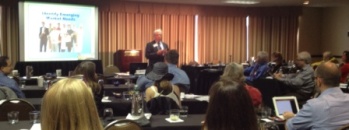 We’re only 5 weeks out from MiniTrends 2014: Insight, Innovation & Strategy scheduled Sept. 26, at the beautiful Holiday Inn Lady Bird Lake in downtown Austin. The conference is really shaping up to be fantastic. Our Keynotes alone—Brett Hurt of Bazaarvoice, top Futurist David P. Snyder, award-winning Author Dr. John Vanston, and USA Today’s Road Warrior of the Year Joyce Gioia—make the conference worth its weight in gold!
If you are interested in staying ahead of the curve and turbo-charging your company’s profit and success by combining MiniTrends methodology with your innovation strategies, then you need to be at this event!
In addition to our Keynotes, a host of other visionaries and thought-leaders will be speaking. As a special bonus this year, time for direct interaction with the speakers by attendees about their special interests is provided in the schedule.
A full day conference of this caliber is usually $1000 or more! Register by September 5th to take advantage of the Early Bird rate for General Admission: $345, Non-Profit/Government/Small Business: $240, Student: $60.
The breadth and depth of the speaking talent and schedule is exceptional. The content is invaluable and the event provides a great chance to meet futurists, innovators, and trendsetters. And fun and entrepreneurial-spirited Austin offers the ideal location!
 BONUS!! Receive a free copy of our award-winning book
MINITRENDS: How Innovators & Entrepreneurs Discover & Profit From Business & Technology Trends
We hope you will join us for this great event!
MiniTrends 2014: Insight, Innovation & Strategy
8:30 am – 5:30 pm followed by a Reception
Friday, September 26, 2014
Holiday Inn Lady Bird Lake, Austin, TX
Contact us now or call us at (512) 258-8898 or info@tfi.com to become a Sponsor to this important event!
Meet John & Carrie at WorldFuture 2014 in Orlando
June 17, 2014
 MiniTrends’ leaders Dr. John Vanston and Carrie Vanston are excited to be conducting a day-long Pre-Conference Master Course at the World Future Society’s annual conference WorldFuture 2014: What If? Our Master Course, MiniTrends and Macro-Change: Turbo-Charging Your Future, also includes our co-presenter and long-time partner, the highly-esteemed futurist David Pearce Snyder and will be held on Thursday, July 10 from 9:00 am – 5:00 pm.
 This inspring day begins with David describing the changing world and the forces driving it. He helps you see the future through a matrix of many emerging trends – MiniTrends – that reflect the macro-changes that you must anticipate to be successful as the future unfolds.
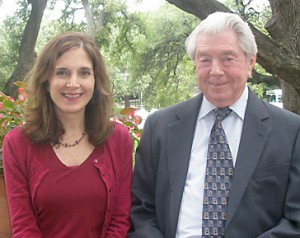
Dr. John Vanston & Carrie Vanston
presenting Pre-Conference
Master Course at WorldFuture 2014
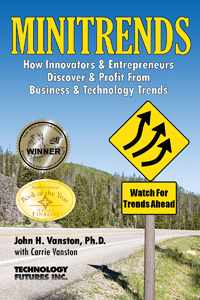
John and Carrie, authors of the award-winning book MINITRENDS: How Innovators & Entrepreneurs Discover & Profit From Business & Technology Trends, then provide you with the foundation for a strong MiniTrends process with seven ways for you to find, analyze, and profit from important minitrends and their potential business opportunities.
Participants will leave this course with an understanding of:
- How predictable forces are rapidly reshaping our demography, economic structure, productive technologies, and decision-making processes.
- How monitoring these forces can enable participants to identify and profit from emerging trends and attractive business opportunities.
- How participants can apply the information, ideas, and insights presented in this course to guide their business, cause-related, personal, and investment decisions.
We hope you will join us in Orlando for WorldFuture 2014: What If? and our Pre-Conference Master Course: MiniTrends and Macro-Change: Turbo-Charging Your Future.
WorldFuture 2013: Master Course: Succeeding in a New Normal World – July 19, Chicago
July 12, 2013

Join us for our Pre-Conference Master Course: Succeeding in a New Normal World on July 19 with David Pearce Snyder, Dr. John Vanston, and Carrie Vanston
The World Future Society’s annual conference WorldFuture 2013: Exploring the Next Horizon brings together the world’s premier minds to discuss the long-range future of science, technology, humanity, government, religion and many other topics.
MiniTrends’ leaders Dr. John Vanston and Carrie Vanston are co-presenting with top futurist David Snyder at the Pre-Conference Master Course: Succeeding in a New Normal World on July 19, 8:00 a.m.-5:00 pm. (The additional fee is $245.)
This session describes the New Normal, the forces driving it, and how you can use the MiniTrends Concept to discover and profit from emerging trends within these forces. These minitrends offer opportunities to be successful personally and professionally, while making a postive difference in this changing world.
The session increases understanding of the principles and practices covered and allows participants to take advantage of the experiences and insights of the group.
Highlights: What Attendees Will Learn from this Session:
- How forces are predictably reshaping our demography, economic structure, technology advances, and decision-making processes.
- How these forces can assist participants in identifying and taking advantage of emerging trends and attractive business opportunities.
- How participants can apply the information, ideas, and insights presented in the class as guidance for business, personal career, and investment decisions.
Presenters:
David Pearce SnyderConsulting Futurist;
The Snyder Family Enterprise
Contributing Editor, The Futurist
 Dr. John Vanston
Chairman, Technology Futures, Inc.
Conference Chair, MiniTrends 2013: The Integration of Profit & Social Responsibility
 Carrie Vanston
Media & Mktg Director, Technology Futures, Inc.
Conference Director: MiniTrends 2013: The Integration of Profit & Social Responsibility
Co-Author, MINITRENDS: How Innovators & Entrepreneurs Discover & Profit From Business & Technology Trends
We hope you will join us in attending WorldFuture 2013: Exploring the Next Horizon and signing up for our Pre-Conference Master Course: Succeeding in a New Normal World.



MiniTrends Recent Posts
- “International Dimensions of Strong Corporate Cultures” – Friday, April 1, 2016, Austin, TX
- Carrie speaking at IEEE Wed, Sept 23, 6pm
- Carrie Vanston speaks on Engagement & Innovation at WorldFuture 2015 – San Francisco, July 25
- Carrie Vanston presents “5 Keys to an Engaged & Innovative Culture” at CTXWFS, May 27, Austin, TX
- The Ultimate Quesiton – Do You Validate? World Champion Speech by Lance Miller


Home | MiniTrends | Book | Conference | Presentations | Media Center | About Us | Contact | Blog
MINITRENDS: How Innovators & Entrepreneurs Discover & Profit From Business & Technology Trends
by Technology Futurist John H. Vanston, Ph.D. with Carrie Vanston
© Copyright Technology Futures, Inc. All Rights Reserved.