John & Carrie on BOSS-Talks — Free Webinar – Mon., Nov 10, 12-1 CST
November 7, 2014
BOSS-Talks: Tech Tools Free Webinar:
“MiniTrends: Trends Inside Trends”
with Dr. John H. Vanston and Carrie Vanston
- How and where to search for MiniTrends.
- How to evaluate the business attractiveness of a MiniTrend.
- How to develop an effective MiniTrend Strategy.
- How to turn the strategy into profitable business opportunities…
-
 You should participate if you are:
- A Corporate Intrapreneur seeking strategies to keep your organization on the cutting edge of business and technology.
- An Entrepreneur wishing to identify, assess, and exploit attractive new business opportunities.
- An Innovative Thinker interested in gaining recognition for originality and perceptiveness.
- An Investor interested in uncovering attractive new investment opportunities.
- A Job Seeker wishing to define emerging employment possibilities.
Participants will recieve a solid basis for developing their own “MiniTrends Mindset.”
|


Tech Tools Webinar Host: BOSS-Talks’ Dr. Jan Triplett and Business Success Center provide ramp up assistance for new businesses and scaling for growing businesses.
|
_________________________
IBM’s Dr. Jani Byrne joins MiniTrends 2014 (Sept 26) – Special $150 rate ends Noon Monday Sept 22
September 19, 2014
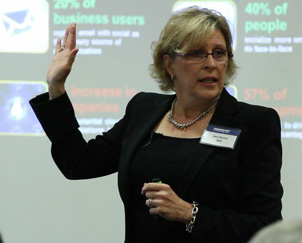
Dr. Jani Byrne
Director of Marketing, Cloud, IBM
We are delighted that Dr. Jani Byrne, Director of Marketing, Cloud, at IBM has joined the program for our 3rd annual MiniTrends 2014: Insight, Innovation & Strategy. Jani will be sharing her experiences as corporate innovator in her talk “Musings of a Wild Duck in a Big Pond.”
Jani is responsible for Content Marketing globally for Cloud, one of IBMs leading strategic initiatives, creating and distributing consumable, relevant content to drive client acquisition and purchase. Previously she served as IBM’s Director, Marketing Strategy for Global Mid-Markets MSPs and Director, Strategy.
Jani is on the Boards of The Seton Fund at the Seton Family of Hospitals’ and Austin Chamber of Commerce Technology Partnership.
Register Now for special price for full conference of only $150 until noon, Monday, September 22.
Our Keynotes are Austin Tech Leader and Bazaarvoice Founder Brett Hurt, top D.C. Futurist David Pearce Snyder, and award-winning author Dr. John Vanston. Also headlining is USA TODAY’s Road Warrior of the Year Joyce Gioia.

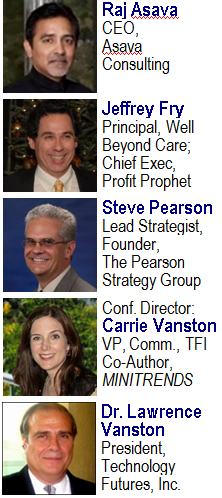 We have an excellent applications panel on how to turbo-charge your success and profit by combining MiniTrends methods with your innovation strategy. Panelists include Raj Asava, Jeffrey Fry, Steve Pearson, Carrie Vanston, and Larry Vanston.
The breadth and depth of the speaking talent and schedule for this awesome event it exceptional. In addition we have incredible attendees who are thought-leaders in their own right. (See what our past attendees say.) We hope you, too, will be part of the this year’s amazing event.
MiniTrends 2014: Insight, Innovation & Strategy.
Friday, September 26, 2014
8:30 am – 5:30 pm followed by “Power Hour” Reception
Holiday Inn Lady Bird Lake, Austin, TX
Full Conference for Only $150
(Special ends Noon, Monday, Sept. 22)
All attendees receive Continental Breakfast, Breaks,
and Lunch followed by a Networking Reception!
Please share offer with your friends, colleagues & networks.
MiniTrends’ ABJ Article – “Here’s how to stay on top of ‘minitrends’ and get ahead of the pack”
September 9, 2014

Austin Business Journal Article and Image – “Here’s how to stay on top of ‘minitrends’ and get ahead of the pack” by Dr. John Vanston and Carrie Vanston – Image from Austin Business Journal
Be sure to check out the Austin Business Journal article by Dr. John Vanston and Carrie Vanston entitled “Here’s how to stay on top of ‘minitrends’ and get ahead of the pack.” Find out how to stay on the forefront of emerging trends in your industry and quickly recognize and appreciate those trends and take advantage of them through action — and fast.
To find out even more about how you can do more with less, work smarter, not harder, game the system, and become that “Rock Star” you always hear about, attend MiniTrends 2014: Insight, Innovation & Strategy on Friday, September 26, in Austin, Texas.
Take advantage of the special limited rate of just $150 for a full day including lunch and a “power hour” reception packed with top speakers like Bazaarvoice founder Brett Hurt, IBM Marketing Director Dr. Jani Byrne, world-renowned futurist David P. Snyder, award-winning author Dr. John Vanston, and USA TODAY’s Road Warrior of the Year Joyce Gioia — Use code “Special150-2014″ (until Sun Sept 21) or click here. Student rate also available.
A Special Price + 9 More Reasons You Should Be at MiniTrends 2014
September 5, 2014
MiniTrends 2014: Insight, Innovation & Strategy is coming to you on
Friday, September 26, in Austin, Texas.
MiniTrends Community Special: 20% Off Discount
10 Reasons You Should Attend MiniTrends 2014: Insight, Innovation & Strategy
1. Insights for Innovation
Insight: the ability to understand people and situations in a very clear way.
Becoming adept at discerning MiniTrends will first give you insights into innovation. This ability to understand people’s wants and needs, and the underlying causes of change will allow you to see how to achieve a high return on effort, essentially letting you see a path of doing more with less and in turn working smarter not harder.
- Examine the predictable forces that are reshaping our business and technology environment.
- Learn 20 knowable future trends that you must be prepared for.
- Understand how the MiniTrends Concept can be key for continuing success.
- Use this foundational foresight to build an innovation thought-process and strategy throughout the conference day.
2. Innovation Skills
Innovation: the act or process of introducing new ideas, devices, or methods.
With these new insights on possible innovations, you can begin to act on and process these new ideas in the development of new products or methodologies, thus allowing you to get an unfair competitive advantage or as VCs like to say, “game the system.”
- Discover seven approaches for identifying minitrends.
- Learn eight resources to find where minitrends hide.
- Appreciate the vital role of leadership in promoting an innovation culture where employee creativity becomes the innovative “heart” of the organization.
- See how appreciating all stakeholders, not just stockholders, is the “secret sauce” of success.
- Find and share minitrends of your own with fellow attendees.
3. Innovation Strategy
 Strategy: the skill of making or carrying out plans to achieve a goal.
Finally, by combining these new, undiscovered insights with derived innovations, you can increase your acumen in making or carrying out plans of action to achieve your new strategic goals. In other words, by attending MiniTrends 2014 you can become that “Rock Star” everyone talks about!
- Accelerate your innovation and process development.
- Find the exogenous drivers and constraints that can help with decision making.
- Leverage minitrends in market strategy development.
- Use minitrends in making a market for a new product or service.
- Benefit from personal interaction with conference speakers during special session.
- Bring back ideas and strategies for you and your team.
4. Direct Interaction with Speakers and Expert Panelists

 All-star visionaries and thought-leaders will give you the insight and tools you need to stay ahead of the curve and remain innovative in a rapidly changing business environment.Speak directly with the speakers about your own personal interests and ideas during a scheduled session just for this purpose.

5. Individual and Small Group Hands-On Exercises
Individual and group activities at MiniTrends 2014 will help you generate ideas, consider their potential as minitrends, develop partnerships, and leave with actionable plans.
6. Great Networking Opportunities
 Meet, mingle, network, and share ideas with marketers, analysts, development managers, strategists, research managers, and others during continental breakfast, breakout groups, breaks, discussions, provided lunch, and the MiniTrends 2014 “power-hour” reception overlooking beautiful Lady Bird Lake.
See what all the excitement is about! Watch the video or visit our testimonial page and find out what our past MiniTrends Conference say!!
7. FREE copy of Award-Winning MINITRENDS book
—Your Own MiniTrends Resource
As a special value add, you will receive your very own description of the MiniTrends Concept to take home—the award-winning book MINITRENDS: How Entrepreneurs & Innovators Discover & Profit From Business & Technology Trends by Dr. John Vanston and Carrie Vanston.
A $19.95 value!
8. Meet our Sponsors and Partners
We appreciate our Sponsors and Partners who share our vision of helping business leaders thrive by combining foresight with a creative culture honoring all stakeholders.
9. Enjoy Tech-Friendly and Beautiful Austin, Texas!
Austin is a thriving, cosmopolitan city and one of the leading high-tech hubs in the U.S. With more than 120,000 people employed by more than 4,400 technology firms, we have the techies, the entrepreneurs, the innovators, the investors, and so much more. And we’re the Live Music Capital of the World! What better place for a cutting-edge innovation conference?
Our MiniTrends 2014 meeting and reception overlooks beautiful Lady Bird Lake. The Holiday Inn Austin Lady Bird Lake (800-593-5676) is in a wonderful location to experience Austin’s major attractions. The hotel has direct access to the lake’s hike & bike trails and is a mile from Austin’s famous 6th Street entertainment district.
10. Special 20% Off Discount for Our MiniTrends Community!
Discount Code: Special20-2013 brings the regular price to $292 or Small business/Government/Academia to $208. Students still can come for $65. (Please register as soon as possible so we can have accurate catering numbers for the hotel!)
Join us at MiniTrends 2014: Insights, Innovation & Strategy on Friday, September 26, 2014, 8:30 am–5:30 pm, followed by reception. The full day conference includes continental breakfast, lunch, and evening “Power-Hour” reception. Attend this important event to insure you and your company remain successful and profitable in a constantly changing world.
Take Advantage of MiniTrends Community Special 20% Off Discount

Please feel free to let your friends, colleagues and social networks know about this valuable offer!
Contact TFI at info@tfi.com or (512) 258-8898 or visit Minitrends 2014 for more information.
www.MiniTrends.com/MiniTrends-2014
|
|
MiniTrends 2014 Conference – Just 5 Weeks Out! – Sept 26, Austin, TX
August 21, 2014
 We’re only 5 weeks out from MiniTrends 2014: Insight, Innovation & Strategy scheduled Sept. 26, at the beautiful Holiday Inn Lady Bird Lake in downtown Austin. The conference is really shaping up to be fantastic. Our Keynotes alone—Brett Hurt of Bazaarvoice, top Futurist David P. Snyder, award-winning Author Dr. John Vanston, and USA Today’s Road Warrior of the Year Joyce Gioia—make the conference worth its weight in gold!
If you are interested in staying ahead of the curve and turbo-charging your company’s profit and success by combining MiniTrends methodology with your innovation strategies, then you need to be at this event!
In addition to our Keynotes, a host of other visionaries and thought-leaders will be speaking. As a special bonus this year, time for direct interaction with the speakers by attendees about their special interests is provided in the schedule.
A full day conference of this caliber is usually $1000 or more! Register by September 5th to take advantage of the Early Bird rate for General Admission: $345, Non-Profit/Government/Small Business: $240, Student: $60.
The breadth and depth of the speaking talent and schedule is exceptional. The content is invaluable and the event provides a great chance to meet futurists, innovators, and trendsetters. And fun and entrepreneurial-spirited Austin offers the ideal location!
 BONUS!! Receive a free copy of our award-winning book
MINITRENDS: How Innovators & Entrepreneurs Discover & Profit From Business & Technology Trends
We hope you will join us for this great event!
MiniTrends 2014: Insight, Innovation & Strategy
8:30 am – 5:30 pm followed by a Reception
Friday, September 26, 2014
Holiday Inn Lady Bird Lake, Austin, TX
Contact us now or call us at (512) 258-8898 or info@tfi.com to become a Sponsor to this important event!
MiniTrends 2014 Conference – Call for Sponsors – Sep 26, Austin, TX
July 21, 2014
Increase your business and branding by becoming a Conference Sponsor of MiniTrends 2014: Insight, Innovation & Strategy on Sept. 26 in beautiful downtown Austin. The event provides a highly targeted group of decision makers focused on new business opportunities, new technologies, collaboration, innovation, and creativity. Contact us at 512-258-8898 or info@tfi.com to discuss options.
There are a variety of sponsorship plans to fit your business and communication goals. If you’d like other options, please contact us at info@tfi.com.
The theme this year is turbo-charging the attendee’s company’s profits and success. Keynotes include world-renowned Futurist David P. Snyder, Austin Tech Leader and Bazaarvoice Founder Brett Hurt, and award-winning Author Dr. John Vanston, plus other distinguished thought-leaders and visionaries.
Special Limited Offer: Send two attendees and you will receive a FREE sponsorship.
Sponsorships Levels: $500 – $5,000. Contact us to customize.
Contact: Carrie Vanston, info@tfi.com, (512) 258-8898
If you are not the appropriate person for discussing sponsorship, please let the person who is know about this important conference. Thank you!
Why Be A Sponsor?
- Establish valuable and profitable business relationships with attendees and their organizations.
- Enhance your company’s image and brand to valuable new markets and clients
- Grow your organizations reputation as a company that is on the cutting edge of business and technology.
- Showcase your organization at the MiniTrends Conference and post-conference activities.
- Empower your organization and stakeholders to combine MiniTrends methodologies with new innovation strategies.
- Customize sponsorship opportunities based on your specific interests
|
Sponsorship Rates and Benefits* |
Copper |
Silver |
Gold |
Diamond |
| Complimentary Conference Passes |
1 |
3 |
5 |
7 |
| Company Logo and Link on Conference website | X | X | X | X |
| Logo on Conference Signage at Registration Table | X | X | X | X |
| Company Logo on Conference Program | X | X | X | X |
| Company Material at Audience Seats or in Bags | X | X | X | |
| Company Podium Acknowledgement at Conference | X | X | X | |
| Copy of the Conference Attendee List | X | X | X | |
| Recognition at Reception | X | X | ||
| Mention in Press to Media Outlets | X | X | ||
| Individual Signage at Registration Table | X | X | ||
| Ad in Conference Brochure |
1/2 Page |
Page |
||
| One Hour In-House Presentation by MiniTrends Leader | X | X | ||
| Recognition in all Listings and Announcements | X | |||
| Banner Prominently Displayed at Conference | X | |||
| ½ Day In-House Workshop by MiniTrends Team | X |
* Sponsorship can be tailored to your individual needs
Contact us now or call us at (512) 258-8898 or info@tfi.com to become a Sponsor to this important event!
Meet John & Carrie at WorldFuture 2014 in Orlando
June 17, 2014
 MiniTrends’ leaders Dr. John Vanston and Carrie Vanston are excited to be conducting a day-long Pre-Conference Master Course at the World Future Society’s annual conference WorldFuture 2014: What If? Our Master Course, MiniTrends and Macro-Change: Turbo-Charging Your Future, also includes our co-presenter and long-time partner, the highly-esteemed futurist David Pearce Snyder and will be held on Thursday, July 10 from 9:00 am – 5:00 pm.
 This inspring day begins with David describing the changing world and the forces driving it. He helps you see the future through a matrix of many emerging trends – MiniTrends – that reflect the macro-changes that you must anticipate to be successful as the future unfolds.
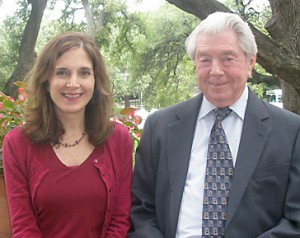
Dr. John Vanston & Carrie Vanston
presenting Pre-Conference
Master Course at WorldFuture 2014
John and Carrie, authors of the award-winning book MINITRENDS: How Innovators & Entrepreneurs Discover & Profit From Business & Technology Trends, then provide you with the foundation for a strong MiniTrends process with seven ways for you to find, analyze, and profit from important minitrends and their potential business opportunities.
Participants will leave this course with an understanding of:
- How predictable forces are rapidly reshaping our demography, economic structure, productive technologies, and decision-making processes.
- How monitoring these forces can enable participants to identify and profit from emerging trends and attractive business opportunities.
- How participants can apply the information, ideas, and insights presented in this course to guide their business, cause-related, personal, and investment decisions.
We hope you will join us in Orlando for WorldFuture 2014: What If? and our Pre-Conference Master Course: MiniTrends and Macro-Change: Turbo-Charging Your Future.
Register Now! MiniTrends 2014: Insight, Innovation & Strategy – Sep 26, Austin, TX
May 31, 2014
 We cordially invite you to attend the premier event for innovators, futurists, technologists, trendsetters, and blue sky thinkers, the 3rd Annual MiniTrends conference, MiniTrends 2014: Insight, Innovation & Strategy.
 Scheduled for September 26th, 2014, in beautiful downtown Austin, TX, this unique conference is in its third successful year of leading the conversation about innovation. Hosted by award winning author and renowned futurist, Dr. John Vanston, this one day event gives you the insight you need to stay innovative and to thrive in a rapidly changing business environment.
The day begins with an inspiring keynote by highly regarded futurist David Pearce Snyder describing the forces driving that environment, followed by keynote and feature presentations and expert panelists. All speakers are focused on getting you up to speed with the concept of minitrends and how you can use that knowledge to skyrocket your success into the future.
You’ll be provided lunch as well as have the opportunity to mix and mingle with conference attendees and speakers in an after-conference reception.
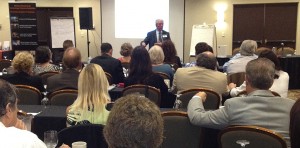 You Will Gain:
INSIGHT: Discover what is coming up for your industry; be open to new ways of looking at things, and find strategies to innovate within your company!
CULTURE: See how in creating and nurturing a supportive culture for innovators to discover and apply innovative ideas, can be your “secret sauce” in seizing new markets and opportunities, and ultimately improving your bottom line.
STATEGY: Get the advantage of a MiniTrend Mindset and Strategy by attending this unique conference in innovative hot-spot Austin, Texas with direct interaction with Industry experts.
If This is You, This Conference Is A MUST!
• Analysts: Business, Marketing, Competitive, Market Acceptance
• Development Managers: Technology, Strategy, Product, Delivery
• Strategists: Technology, Business, Product, Partnerships, Channel
• Research Managers: New Product, Technology, Science, Materials, Methodologies
Register now for MiniTrends 2014 and leave with a Concrete Strategy to
keep your organization innovative and successful!
Take Advantage of Early Bird Rates!
Attendance includes Continental Breakfast, Breaks, Lunch followed by Reception!
MiniTrends 2013 Conference – Thank You & Presentation Slides
October 30, 2013
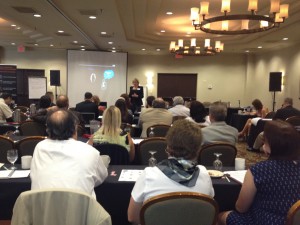
MiniTrends 2013 – Keynote Speaker, Jani Byrne, Dir., IBM
Thank you to everyone who helped make MiniTrends 2013: The Integration of Profit & Social Responsibility such a huge success! The conference slides are up!
Conference Chair Dr. John Vanston and I enjoyed interacting with everyone and appreciated the contagious enthusiasm. The speakers were fantastic, the synergy between attendees exciting, and the overall response great. Now let’s build on the connections we made and all we learned!
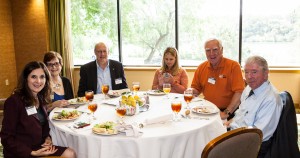
Lt-Rt: Carrie Vanston, Media/Mkt Dir., TFI, Conf Dir; Barbara Springer, TechBA, UT at Austin; Keynote Gary Hoover, CEO, Bigwig GameEntrepreneur; Vanessa Manley, MSTC, McCombs School of Business, UT at Austin, Dr. Gary Cadenhead, Dir, MSTC, McCombs School of Business, UT at Austin. Dr. John Vanston, Chairman, TFI, Conf. Chair
A special shout-out goes to our Keynotes Jani Byrne, Gary Hoover, and John Vanston whose excellent presentations provided the structure of the conference. We also greatly appreciate our wonderful Sponsors and Partners, Planning Committee, and Advisory Board for their integral role in making this such a valuable and fun event.
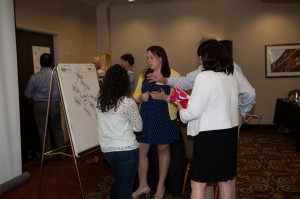
MiniTrends 2013 Conference Exercise – Impact Wheels
Let’s use the LinkedIn MiniTrends Group to continue to network and keep the energy going until MiniTrends 2014. Please feel free to share thoughts and your own minitrends, experiences, and resources with other members of the LinkedIn MiniTrends Group.
We also have a Facebook Page that we welcome you to “like.” We will be posting pictures from the conference and will let you know when they are up. Twitter is @MiniTrendsBook, #minitrends.
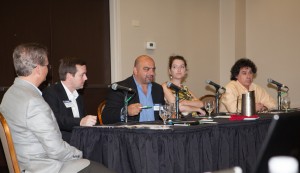
MiniTrends 2013 Panel 2 — l-r: Steve Pearson, CEO, The Pearson Strategy Group, Christopher Justice, CEO, Sparksight, Inc., Andre Angel, CEO, TangoTab, Stacy Zoern, CEO, Community Cars, Jeffrey Fry, Principal, Help Find Care (Photo by Dee Ann Hoeft, Dee Ann’s Photography Studio)
We also encourage you to sign up for our MiniTrends Blog.
Thanks for everyone who handed in evaluation sheets! We appreciated the feedback. Please let us know if you have any more input on how the event went. We welcome ideas from attendees and blog readers on what you would like to see next year.
 Hopefully everyone has had a chance to take a look at the MINITRENDS book you received at the conference. A quick read of the Preface (Page xxi) and Chapter 10 (Pg 185-186) gives a good overall theme of the book.)
Please let us know progress you make with minitrends, particularly those using concepts from the book and conference. We use examples in our talks, guest blogs, and/or they may be speaking subjects for you next year.
Also please let us know if your organization or one you know would be interested in meeting with us to find out how we might help bring a MiniTrends Mindset to your organization through presentations, workshops, and/or other in-house services.
We are excited to have you in our MiniTrends Circle! We look forward to continuing the connection. In the meantime, please feel free to contact John, Helen Mary, or me with any thoughts or comments.
Warm regards,
Carrie and the TFI/MiniTrends Team
Dr. John Vanston At Lions Club on MiniTrends as Foundation, Oct 17, Austin, TX
October 16, 2013

Dr. John Vanston speaking at Austin Downtown Founder Lions Club, Oct. 17, Austin, TX
Little did we know when MiniTrend’s friend Vicki Flaugher invited our Dr. John Vanston to speak on Oct. 17 at the Austin Downtown Founder Lions Club that is was the “world’s oldest continuously operating Lions Club”! Yes, the club was chartered January 18, 1916! The charter members were a “Who’s Who” of Austin civic leadership. (“Founder Club” is a term of recognition bestowed by Lions International on those clubs that were represented at the formation of the international organization at its first convention in 1917.)
Although they enjoy this delightful slice of fame, they like to think that their efforts in community service are simply typical of Lions Clubs the world over. It’s a story of stage shows, garage sales, rodeos, rose sales and other fundraising activities. It’s a story of answering the needs of the community and of disadvantaged groups and individuals. And it’s a story of building and working with other Lions Clubs to promote teamwork in service.
Being that our MiniTrends book and activities are designed to help people find their passions and make a difference in the world, we are also thrilled to see that our host’s motto is “Follow Your Dream.”
John will be giving the club some new ideas as they go into the future! Please see details below. Hope to see you there!
Cheers,
Carrie
Austin Downtown Founder Lions Club Presents:
MiniTrends: A Foundation for an Innovative Organization
 Dr. John Vanston, Chairman, Technology Futures, Inc.
- Individual entrepreneurs will learn how to identify, assess, and exploit new business opportunities.
- Decision makers in small and mid-size businesses will learn how to gain advantage by recognizing and utilizing emerging trends.
- Innovative thinkers in large businesses will learn how to distinguish themselves by their special perceptiveness.
- Investors will learn how to uncover attractive new investment opportunities.
Details:
When: 11:45 AM – 1:00 PM, Oct 17, 2013
Where: Wells Fargo Bldg, 400 W 15th St, 3rd floor
Registration:
–Lion Members and Walk-in Guests – $15.00 (USD)
–No Meal – Member or Non member – Free
–Please note there will be a $5 fee for parking in the garage
Featured Lunch Menu: Smothered pork chops with apricot & madera sauce, roasted sweet potatoes and fresh green beans; mixed field green salad with assorted rolls and a featured daily dessert. Vegetarian meal or Grilled Chicken Caesar salad are available alternatives as well.
Please register by noon on Wednesday: We order meals based on your reservations and must pay for them even if you do not show up. Please keep this in mind if your plans shift and cancel your reservation so we can adjust the headcount.



MiniTrends Recent Posts
- “International Dimensions of Strong Corporate Cultures” – Friday, April 1, 2016, Austin, TX
- Carrie speaking at IEEE Wed, Sept 23, 6pm
- Carrie Vanston speaks on Engagement & Innovation at WorldFuture 2015 – San Francisco, July 25
- Carrie Vanston presents “5 Keys to an Engaged & Innovative Culture” at CTXWFS, May 27, Austin, TX
- The Ultimate Quesiton – Do You Validate? World Champion Speech by Lance Miller


Home | MiniTrends | Book | Conference | Presentations | Media Center | About Us | Contact | Blog
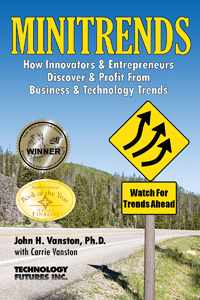
MINITRENDS: How Innovators & Entrepreneurs Discover & Profit From Business & Technology Trends
by Technology Futurist John H. Vanston, Ph.D. with Carrie Vanston
© Copyright Technology Futures, Inc. All Rights Reserved.